
Research
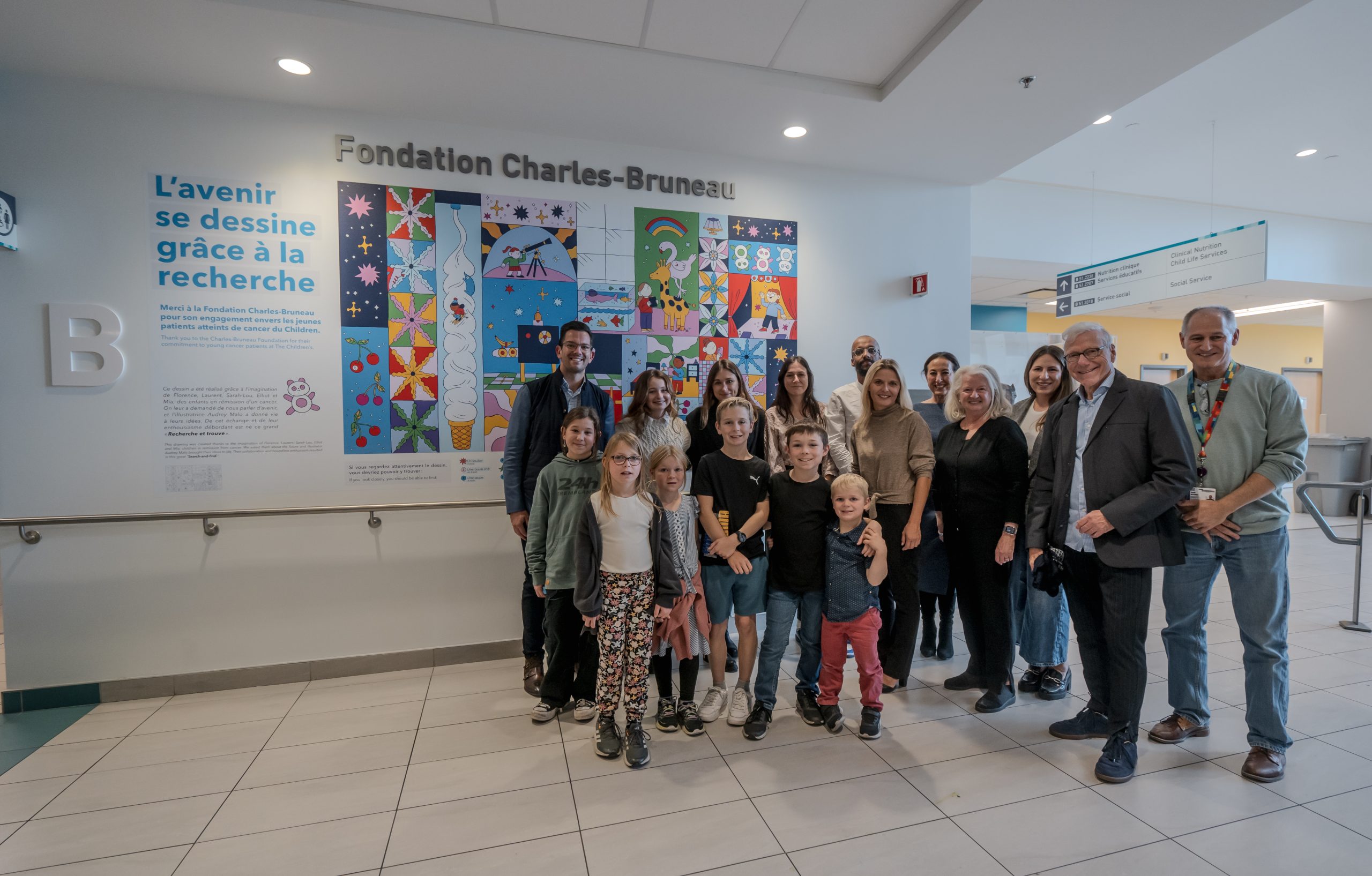
For the thousands of children with cancer in Quebec, hope lies in research. And because the Fondation Centre de cancérologie Charles-Bruneau holds the same core conviction, the development of research is among its central priorities.
The Fondation provides funding for several major research projects in pediatric oncology, including projects in art therapy and umbilical cord blood research.
Art therapy
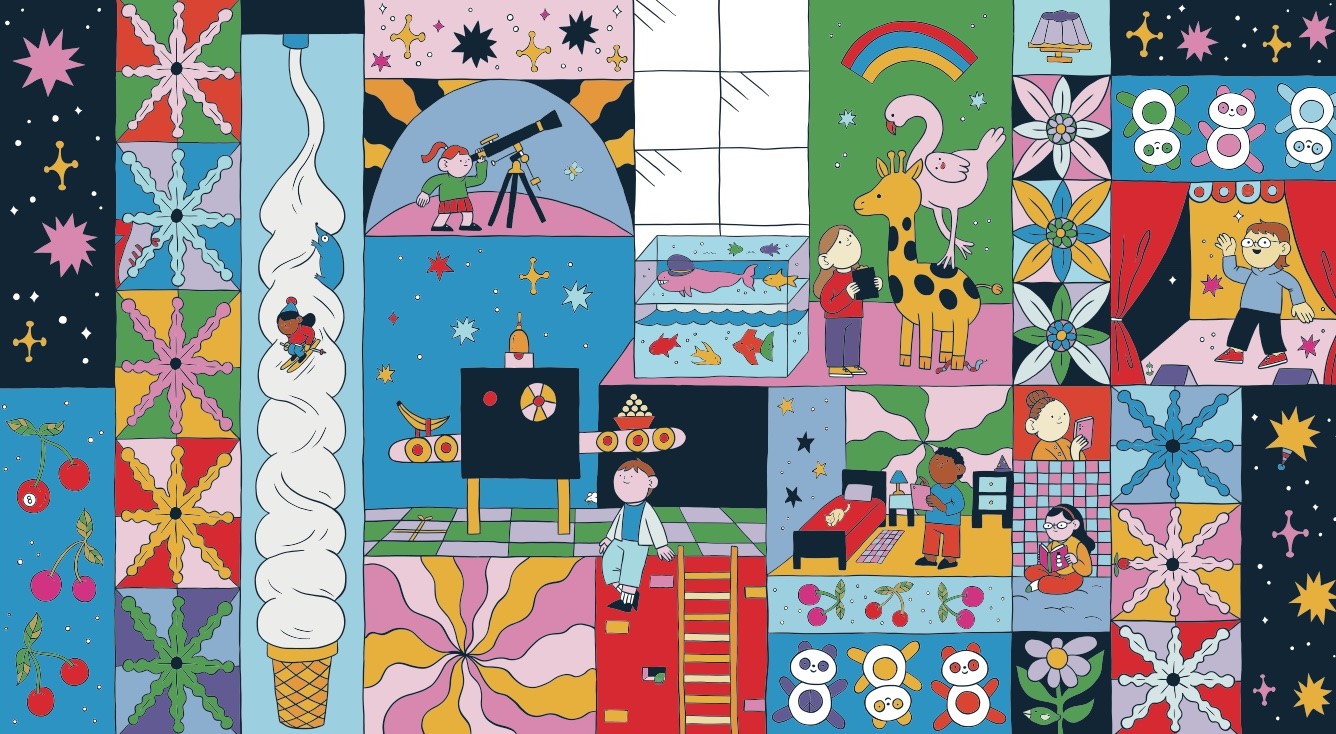
Because anti-cancer treatment can be very aggressive and therefore difficult on children, art therapy is an essential means of support. This innovative approach makes it possible to gain a clearer picture of their anxieties, and it offers strategies for dealing with them.
Music therapy
- The judicious use of music and its components in pediatric oncology plays a vital role in meeting the child's physical and psychological needs. This complimentary and multidimensional approach can bring about positive changes related to mood disorders, nausea, pain perception, immunity, anxiety and motivation, thereby improving the child's overall quality of life.
Art therapy
- Art therapy engages the child in a process of creation and playful exploration through drawing, painting and modeling. It allows the child to give non-verbal expression to emotions, i.e. to anger, fear and conflict. As well, art therapy introduces a process of verbal communication whereby children are encouraged to explain how they feel and to share their thoughts. Thus, art therapy promotes mental health by encouraging self-expression, awareness and creative pleasure.
Research program on umbilical cord blood
The Centre de cancérologie Charles-Bruneau has developed an expertise in cord blood transplants among children, thereby earning a reputation as one of the world's leading pediatric cancer centres. More than 65 umbilical cord blood transplants have been performed at the Centre de cancérologie Charles-Bruneau, with outcomes that are comparable to those observed in bone marrow transplants. Some 85% of pediatric cord blood transplants in Canada are performed at the Centre de cancérologie Charles-Bruneau.
The advantages of this technique:
- Increased availability due to the higher rate of compatibility between donor and recipient (umbilical cord blood is found for 99% of children requiring a transplant, while bone marrow is only available to 66% of children in need of a transplant)
- Wait times are shorter for cord blood transplants (one month, compared to two months for bone marrow transplants)
- Low risk of contamination of transplanted cord blood
- Reduced risk of graft versus host disease
The umbilical cord blood research program includes three separate projects.
Manipulation and cryopreservation of umbilical cord blood cells
- This project is aimed at improving techniques for manipulating and preserving umbilical cord blood with a view to increasing the chances of transplant success.
Immunology of umbilical cord blood and cord blood transplant
- This project is aimed at perfecting techniques used to manipulate immune cells contained in umbilical cord blood with the objective of improving transplant results.
"Homing" immune regeneration
- The goal of this project is to test the results of the two previous projects in a pre-clinical model with humanized mice so that applications for use with sick children can be rapidly developed.